Securing financial support for education, professional development, or academic research can transform your career trajectory, but the application process often feels overwhelming. Whether you are an international student seeking funding for a degree abroad, a researcher applying for a travel grant, or a job seeker pursuing specialized training, preparation is the single most critical factor in your success. Many qualified candidates miss out on funding simply because they overlook small administrative details, submit incomplete files, or rush their essays at the last minute. To make your journey manageable, you need a systematic approach that organizes your timeline, documents, and reference materials long before submission deadlines arrive. Establishing a structured routine early eliminates panic and ensures that every piece of writing reflects your highest standard of work. This comprehensive guide provides a practical framework to help you navigate every stage of the process with clarity and confidence.
The journey toward securing any competitive award begins long before you open an online submission portal. Without a structured timeline, it is easy to misjudge the sheer volume of paperwork required. Begin by plotting out your schedule backward from the final deadline, allocating specific blocks of time for document gathering, draft writing, referee coordination, and final technical checks. Create a master tracking spreadsheet to monitor each opportunity you intend to pursue, noting unique requirements, word limits, and contact information for program administrators. Keeping this information centralized saves valuable time and prevents confusion when managing multiple applications simultaneously. Treat this preparation phase as a professional project, dedicating steady daily or weekly hours rather than attempting a stressful, rushed sprint at the very end.
Phase One: Document Gathering and Organization
Before you write a single word of your personal statement, you must assemble a master collection of your academic and professional history. Create a secure digital folder on your computer and cloud storage, divided into subfolders for transcripts, test scores, identity documents, and certification records. Having these files ready prevents frantic searches when a portal requires an unexpected upload.
- Official academic transcripts from every post-secondary institution attended.
- Standardized test score reports if required by the awarding body.
- Valid passport copies and current resume or curriculum vitae.
- Proof of language proficiency scores where applicable.
Organizing these core assets thoroughly requires careful attention to file formats and naming conventions. Many online review systems enforce strict rules regarding PDF compression, maximum file sizes, and specific naming structures such as lastname_firstname_transcript.pdf. Renaming your documents correctly demonstrates professional polish and ensures that reviewers never encounter corrupted or unreadable files. Furthermore, keep certified translations handy if your original documents are issued in a language other than the primary language of the application. Taking time now to verify the legibility of every scanned page protects you against sudden technical rejections.
Phase Two: Crafting the Core Narrative
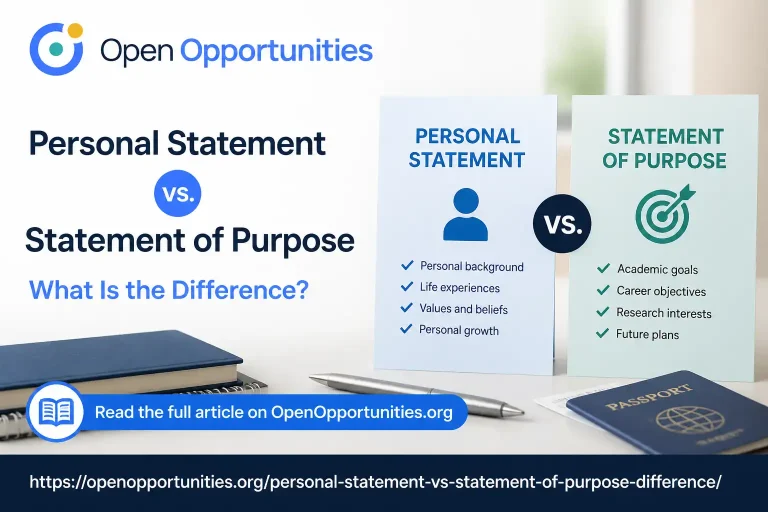
The application essay or motivation letter is your primary opportunity to communicate who you are beyond grades and test scores. Committee reviewers read hundreds of submissions, so your narrative must be authentic, concise, and directly aligned with the goals of the scholarship provider. Start by reviewing the mission statement of the organization offering the award. Tailor your personal history to reflect their values, emphasizing resilience, leadership, and a clear vision for how the funding will create tangible impact.
Structuring Your Personal Statement
- Introduction: State your primary objective and the specific program or project you are pursuing.
- Body Paragraphs: Highlight key milestones, challenges overcome, and relevant skills gained through study or work.
- Conclusion: Connect the dots between the scholarship and your future contribution to your field or community.
Drafting an impactful personal statement requires multiple rounds of revision. Your first draft should focus entirely on getting your story onto the page without worrying about word counts or polished phrasing. Once the narrative structure is solid, begin refining your sentences to remove redundancy and strengthen your verbs. Show, rather than tell, by using specific examples from your academic or professional background. If you managed a research team, describe how you resolved a conflict or navigated a budget shortfall. If you faced financial or geographical barriers, explain the resourceful strategies you used to overcome them. Authenticity resonates deeply with selection panels who value genuine perseverance over fabricated perfection.
Phase Three: Securing Meaningful Recommendations
Letters of recommendation provide an external validation of your character and capabilities. Give your referees at least four to six weeks of advance notice before the submission deadline. Provide them with a copy of your current resume, a draft of your personal statement, and specific details about the scholarship so they can tailor their letters effectively. Follow up with polite reminders as the deadline approaches, and always send a thank-you note once the letters are submitted.
Choosing the right referees is just as important as giving them adequate time. Select individuals who know your work ethic, intellectual curiosity, or professional reliability firsthand. A generic letter from a high-ranking official who barely remembers your name holds far less weight than a detailed, enthusiastic endorsement from a direct supervisor or professor who has observed your growth over time. Schedule a brief conversation or send a structured briefing packet to your referees outlining the specific competencies emphasized by the scholarship provider. This collaborative approach makes their task easier and results in a much stronger endorsement for your file.
Common Application Mistakes to Avoid
Even highly qualified candidates frequently jeopardize their chances by making avoidable errors during the final submission stage. Review your materials against these frequent pitfalls to protect your hard work.
- Ignoring formatting and word-count guidelines specified in the prompt.
- Submitting low-quality, uncertified photocopies of academic transcripts.
- Failing to proofread for grammatical errors and awkward phrasing.
- Waiting until the final forty-eight hours to upload materials through unfamiliar portals.
Another subtle yet damaging mistake is recycling a generic essay across completely different applications without adjusting the core messaging. Selection committees quickly spot boilerplate text that fails to address their specific prompt. Always customize your responses to directly answer every sub-question in the application rubric. Additionally, double-check all time zones if you are submitting to an international organization based in a different region. Relying on local time zones when a portal closes according to coordinated universal time can result in immediate disqualification, regardless of the quality of your materials.
Final Verification and Submission
In the final week before the deadline, conduct a comprehensive audit of every requirement. Print out a physical checklist or use a digital task manager to check off each item only after double-checking file names, formats, and signatures. Ensure that your digital footprint, including professional profiles, aligns with the information presented in your application materials. By approaching the process with deliberate organization and calm execution, you present your best possible self to the review committee.
As you prepare to hit the submit button, take a deep breath and complete one final read-through of your entire application packet as a single cohesive unit. Check that your contact details are current, your references have successfully uploaded their letters, and every requested attachment is properly attached in the correct designated field. Once submitted, save your confirmation receipt or screenshot the submission screen for your personal records. While the waiting period can feel nerve-wracking, knowing that you prepared methodically gives you the absolute peace of mind that you put your best foot forward in pursuit of your academic and professional goals.