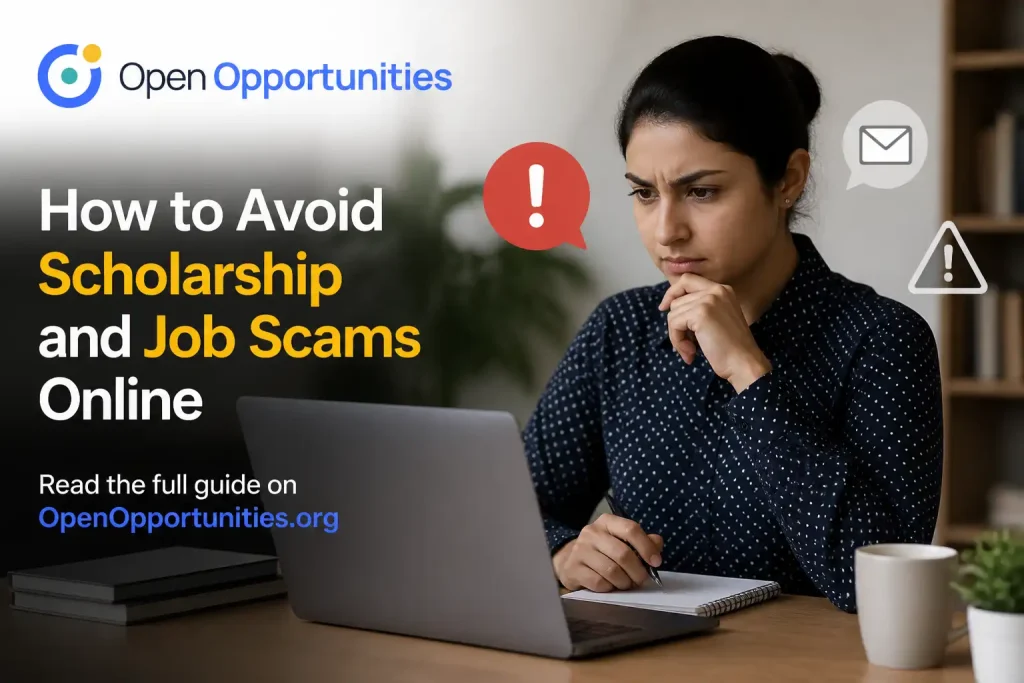
Navigating the global job market and searching for international funding opportunities can be an overwhelming experience. For ambitious students, researchers, and job seekers looking abroad, the internet serves as the primary gateway to career and academic advancement. Unfortunately, malicious actors frequently exploit this ambition by posting fraudulent job listings and fake scholarship offers designed to steal personal information, financial assets, or sensitive data. Protecting yourself requires a critical eye, a structured verification process, and a deep understanding of the common tactics used by online fraudsters who prey on hopes for a better future.
Scammers understand that international applicants are often under significant financial pressure and eager to secure visas, funding, or employment. This urgency often makes them prime targets for sophisticated social engineering techniques. Fraudsters routinely use professional-looking websites, stolen corporate logos, and convincing email domains to mimic legitimate universities, multinational corporations, and government agencies. Recognizing that online deception is rarely crude helps you maintain the healthy skepticism necessary to evaluate every single opportunity objectively before taking any action in your academic or professional journey.
Understanding the Threat Landscape
The digital landscape is filled with opportunities, but it is also populated by bad actors who leverage modern communication tools to deceive applicants. When searching for international positions or financial aid, it is vital to understand how these fraudulent schemes operate. Typically, a scammer creates a fictional persona or impersonates a real hiring manager or university official. They then cast a wide net across social media platforms, professional networking sites, and job boards. International candidates are particularly vulnerable because they may not be familiar with local hiring customs, standard application fees, or regional verification protocols.
Understanding this threat landscape involves recognizing that fraudsters continuously adapt their techniques to mirror changing economic trends and immigration policies. When an applicant is searching from abroad, physical distance makes it difficult to drop by an office or verify a physical address easily. Fraudsters exploit this geographical barrier by creating elaborate online facades that appear entirely credible at first glance. Maintaining awareness of these overarching tactics ensures you approach every new outreach with the necessary professional caution.
Common Red Flags in Scholarship and Job Postings
Spotting a scam often comes down to recognizing specific warning signs during the initial stages of communication. Fraudulent listings usually share several distinct characteristics that should immediately trigger caution across your evaluation process:
- Upfront fees required for application processing, visa sponsorship, equipment purchases, or background checks.
- Vague job descriptions lacking specific skill requirements, daily responsibilities, reporting structures, or organizational context.
- Communication conducted entirely through consumer-grade messaging apps rather than official corporate emails or secure institutional portals.
- Guaranteed acceptance or immediate hiring decisions without a formal, multi-stage interview process involving multiple team members.
- Unsolicited offers from individuals claiming to be recruiters who demand personal identification documents immediately without a signed contract.
Recognizing these indicators early saves considerable time and shields you from unnecessary emotional and financial stress. If an offer feels too good to be true, or if the communication deviates sharply from standard professional protocols, you should pause and reevaluate the legitimacy of the source before proceeding any further with your application.
Verifying Legitimate Organizations
Before submitting any personal data, financial information, or application materials, conduct independent research to verify the entity behind the listing. Legitimate employers and scholarship providers almost always maintain an established, secure web presence with a verifiable history. You should cross-reference the official website provided in the listing with independent domain registries or professional networking platforms. If a recruiter contacts you from a generic webmail address instead of a corporate domain ending in the official company URL, treat the communication with extreme caution. Furthermore, check if the organization has published warnings about active impersonation scams on their main public portals.
Independent verification also involves checking whether the organization is registered with relevant local trade bodies, educational councils, or government registries. True institutions welcome inquiries from prospective candidates and maintain transparent communication channels. If a representative becomes defensive, pressures you for immediate compliance, or discourages you from verifying their credentials independently, you are almost certainly dealing with a malicious actor attempting to execute a fraudulent scheme.
Protecting Your Personal and Financial Data
Your passport number, banking details, tax identification numbers, and academic transcripts are extremely valuable assets that must be safeguarded at all times. Never share these documents during the initial stages of contact or casual networking. Legitimate organizations will not ask for bank account details, credit card numbers, or cryptocurrency transfers until an official contract or award letter has been formally signed through secure organizational onboarding portals. Additionally, be cautious of clicking links in unsolicited messages, as they may lead to sophisticated phishing sites designed to capture your login credentials and personal recovery phrases.
Establishing strong digital hygiene habits is your strongest defense against identity theft and financial loss. Use multi-factor authentication across all your professional accounts, maintain unique passwords for every portal, and regularly review account permissions. When dealing with sensitive documents, ensure you only upload them to secure domains that use encrypted connections and recognized institutional frameworks, thereby minimizing the risk of interception by unauthorized third parties.
Actionable Pre-Application Checklist
To ensure you remain safe while exploring global opportunities, use a structured checklist before engaging with any posting or recruiter:
- Verify the official website independently and ensure the domain matches the organization’s recognized identity without subtle spelling alterations.
- Confirm that communication occurs strictly via official corporate or institutional email addresses rather than free webmail services.
- Check if the scholarship or job posting is mirrored directly on the organization’s official career, press, or financial aid page.
- Research the contact person thoroughly using professional directories and verified social networks to confirm their employment history.
- Consult independent student or professional advisory forums to see if other applicants have flagged the opportunity as suspicious.
Common Mistakes to Avoid
Many victims of online fraud make avoidable errors due to excitement, pressure, or fatigue. Being aware of these common missteps can save you from severe financial and emotional distress:
- Assuming that a professional design, high-quality graphics, and polished English guarantee organizational legitimacy.
- Ignoring your gut feelings when an offer seems unusually generous, lacks transparency, or requires absolute secrecy.
- Paying application, placement, or administrative fees out of fear of missing a strict deadline or losing a rare slot.
- Failing to report suspected scams to relevant platform administrators, consumer protection agencies, and institutional fraud departments.
Ultimately, securing an international position or scholarship requires patience, diligence, and robust digital hygiene. By slowing down the application process and independently verifying every claim, you significantly reduce your vulnerability to online fraud. Trust your instincts, protect your personal information diligently, and remember that genuine opportunities will always withstand careful scrutiny without requiring rushed decisions, secrecy, or upfront payments.